Compare Porsche 911 generations from early short-wheelbase cars to the 992, separating body styles, drivetrain and performance families, with inspection questions.
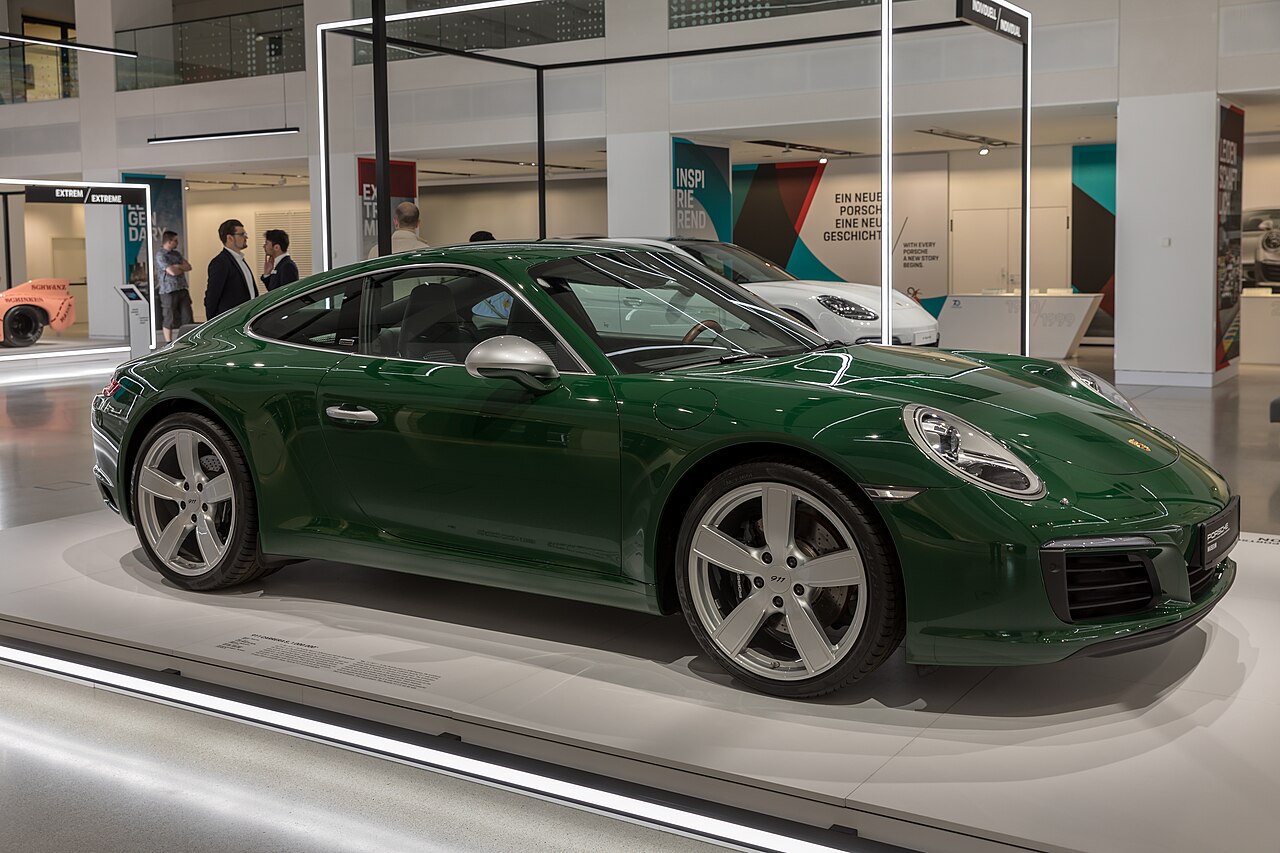
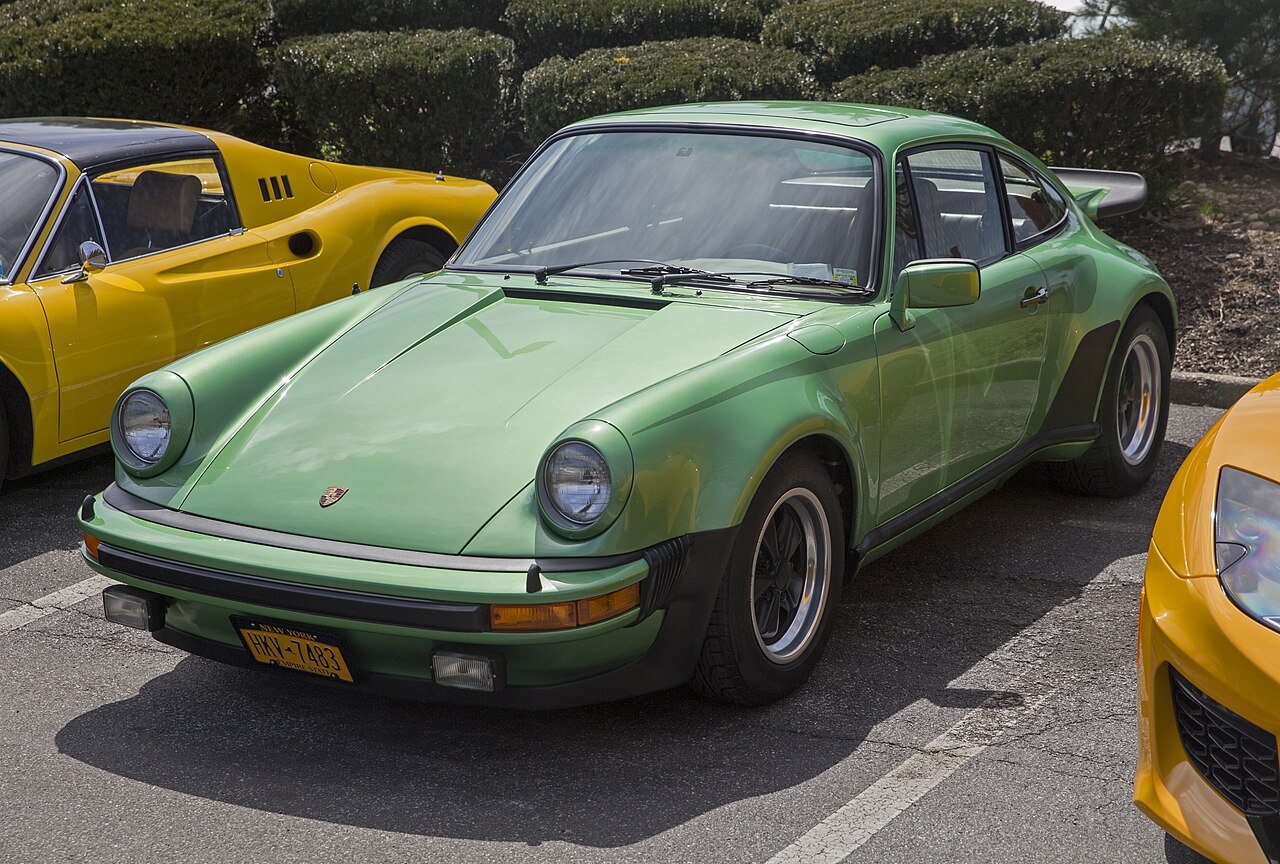
Pictured example: green. Original factory paint and paint code are not verified.Photo: Matti Blume, CC BY-SA 4.0License termsDownloaded as a Wikimedia Commons 1280px thumbnail for local display.
Design and engineering in photographs
Notable Porsche 911 examples
Three examples selected for the distinctions they make visible. Each photograph shows a particular car; its appearance is not a factory paint certificate.
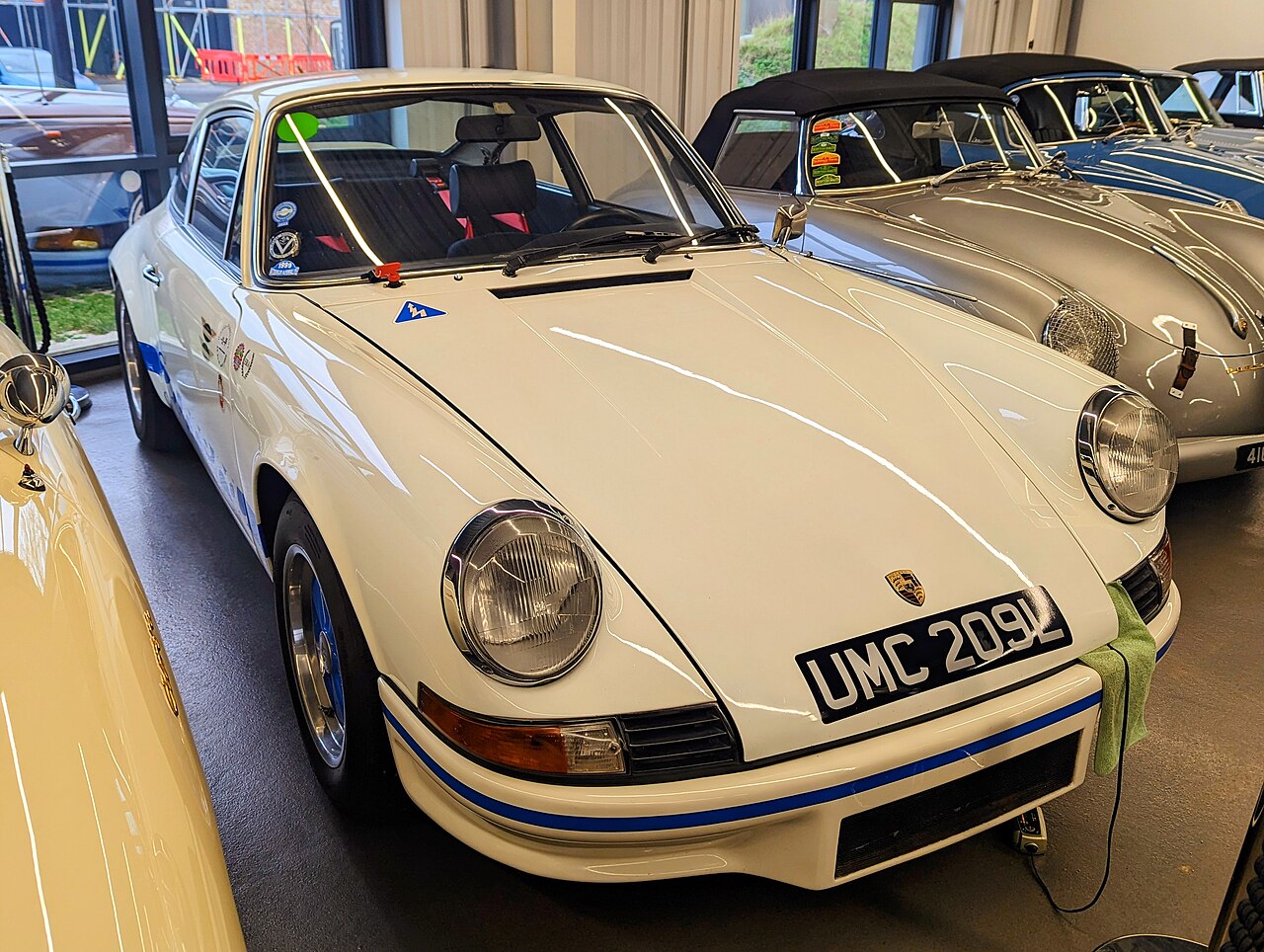
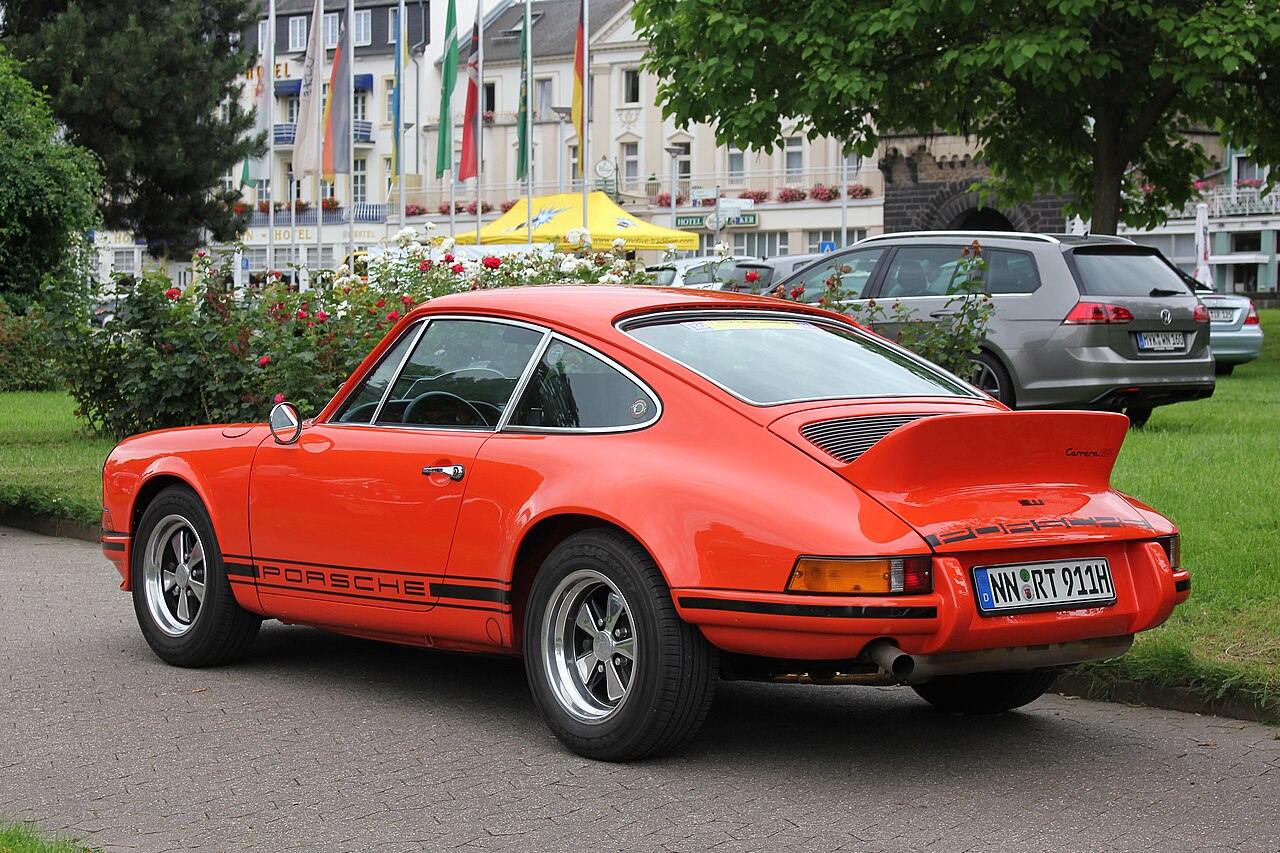
The cream-white coupe puts the early 911 shape alongside its later descendants. Its source identifies a 1965 2.0 SWB example: use that exact description rather than treating every early car as a 901. Porsche’s history dates the public debut to 1963 and series production to 1964.
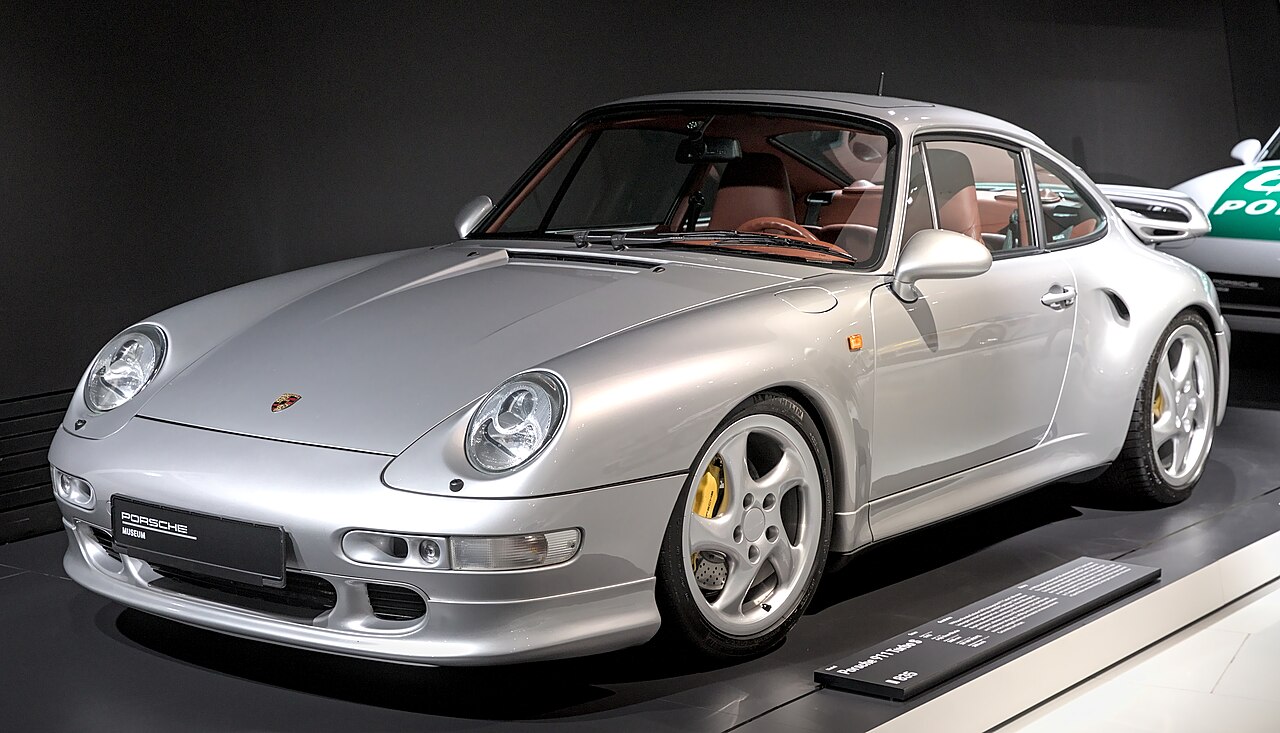
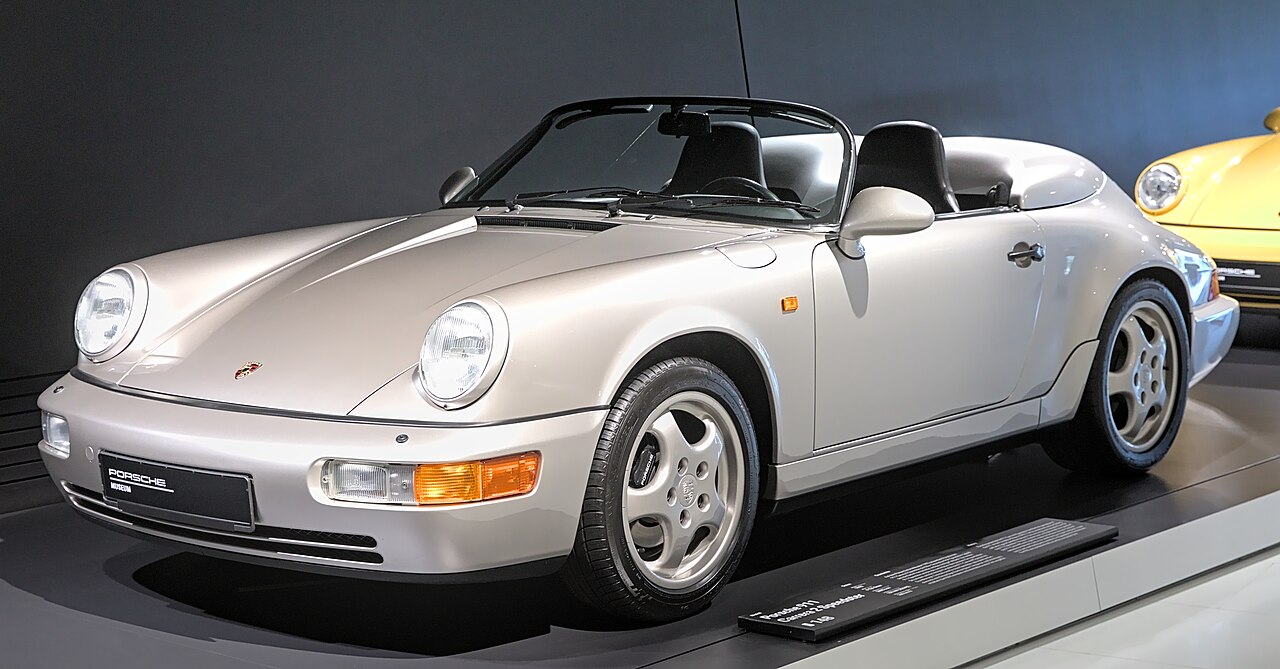
This silver museum example represents the last air-cooled 911 generation. The 993 Turbo family combined twin turbochargers with all-wheel drive, a useful engineering contrast with both the original car and the later water-cooled GT models.
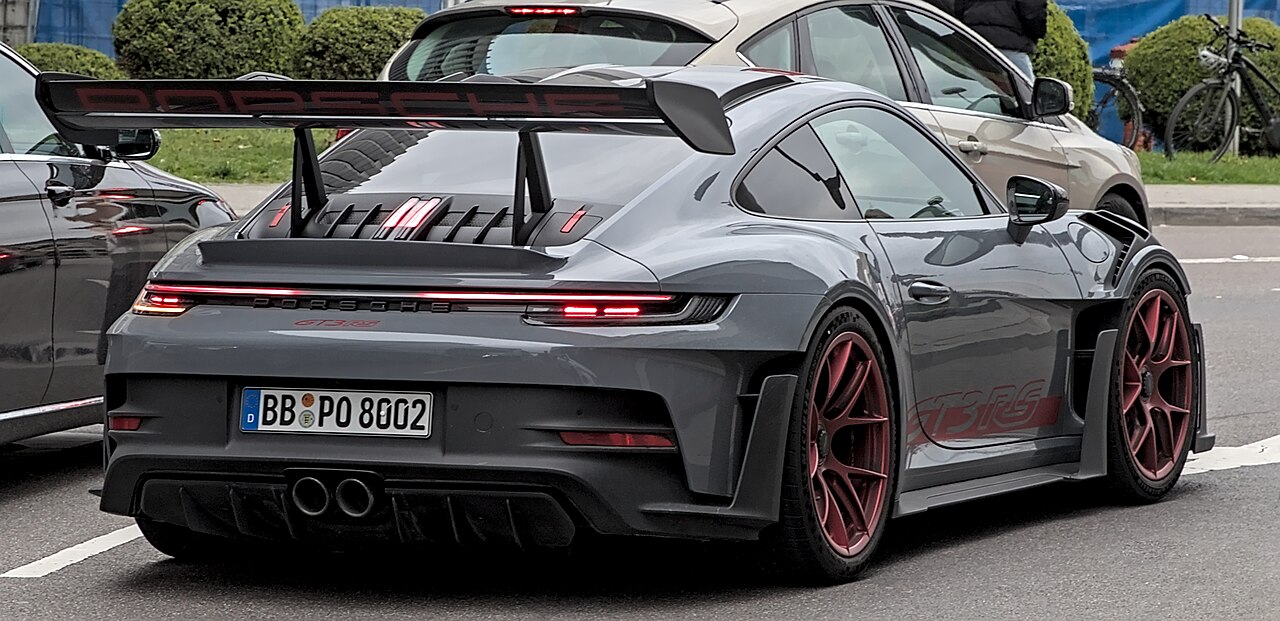
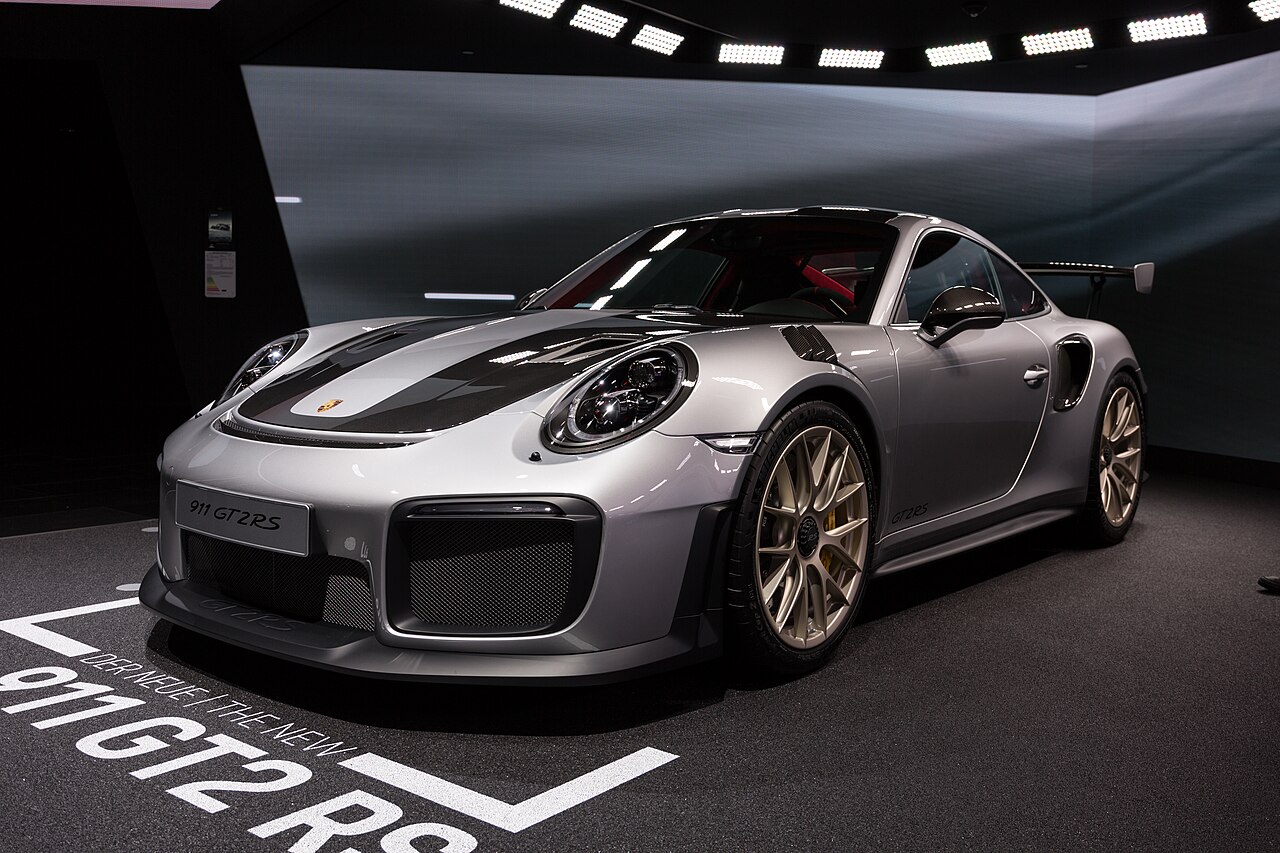
The grey car’s large rear wing and red details make a striking contrast with the early coupe. Porsche’s 2022 GT3 RS places a central radiator where other 911s have front luggage space, freeing room for active aerodynamic elements and pairing them with a two-part rear wing.
A 911 description needs several independent labels: generation, model year, body, driven wheels, engine and transmission. A 993 Targa is both a generation and a roof design; a Carrera 4 identifies a drivetrain family. The first two rows below split the original generation into early and later periods, so nine timeline rows do not mean nine generations.
Dates below are broad family periods, not a chassis-number decoder. Launch, model-year and final-delivery dates can differ; body and engine availability depend on year and market. Photographs illustrate examples and do not authenticate another car.
911 generations and early development periods
Porsche 911 — 911 generations and early development periods
Reference
Period
Category
Body / engine
Comparison or inspection question
901 / SWB
1964-1968
Generation
Coupe and early Targa Air-cooled flat-six
Early short-wheelbase period within the original generation; confirm the actual model designation rather than calling every early 911 a 901.
F-series / Longhood
1969-1973
Generation
Coupe and Targa Air-cooled flat-six
Later period of the original generation; confirm year, engine and body rather than treating all longhood cars as one specification.
G-series / Impact bumper
1974-1989
Generation
Coupe, Targa, Cabriolet Air-cooled flat-six
Impact-bumper era; distinguish the specific engine and model year before comparing an SC, Carrera or Turbo.
Compare the precise early or later specification and gearbox; the generation code alone does not establish the engine fitted.
991
2011-2019
Generation
Coupe, Targa, Cabriolet Water-cooled flat-six
Check the generation phase, induction and transmission; do not infer the Carrera specification from a GT car photograph.
992
2018-present
Generation
Coupe, Targa, Cabriolet Water-cooled and hybrid flat-six family
Record the exact model year and powertrain; this broad family includes different engine and electrification configurations.
Body styles and roof choices
Porsche 911 — body styles and roof choices
Reference
Period
Category
Body / engine
Comparison or inspection question
Targa
1967-present
Body
Removable or retractable roof section Flat-six range
The roof axis: identify the generation-specific roof construction, then operate it and inspect its seals and glass.
Cabriolet
1983-present
Body
Fabric convertible Flat-six range
Operate the fabric roof and windows; compare seal condition and completeness with the simpler open-body alternatives.
Speedster
Selected editions from 1989
Body
Low-screen open special Flat-six range
Check the low windscreen and removable weather equipment; confirm the body identity rather than relying on a Speedster badge.
Model, drivetrain and performance families
Porsche 911 — model, drivetrain and performance families
Reference
Period
Category
Body / engine
Comparison or inspection question
Carrera / Carrera S
Varies by generation
Model line
Coupe, Targa, Cabriolet Flat-six range
Compare within one generation and model year; check engine, transmission and optional equipment on the build record.
Carrera 4 / 4S
1989-present
Drivetrain
Coupe, Targa, Cabriolet Flat-six range
The drivetrain axis: distinguish all-wheel-drive specification from body style and from the performance designation.
Turbo / Turbo S
1975-present
Performance
Widebody Coupe and Cabriolet Turbocharged flat-six
The performance-model axis: verify generation, driven wheels and engine; the Turbo badge is not a complete specification.
Carrera RS / Rennsport
1973 onward
Homologation
Lightweight coupe Flat-six range
Verify factory identity, original specification and documented modifications before comparing with an ordinary Carrera.
GT3 / GT3 RS
1999-present
Track
Lightweight coupe and GT3 S/C Naturally aspirated flat-six
Check generation, transmission, factory equipment and use history; GT3 and RS specifications must be compared separately.
GT2 / GT2 RS
1995-2018
Track
Turbo widebody coupe Turbocharged flat-six
Separate the precise generation and GT2/RS specification; request specialist inspection and documented modification history.
Read a 911 generation, body and model badge together
The original 911 debuted in 1963; series production followed in 1964. The G-series brought impact bumpers. On an early car, establish the build specification before treating a bumper, wing or badge as proof of the model. Source: Porsche: 60 years of the 911.
The 964 brought the Carrera 4 all-wheel-drive model. The 993 was the final air-cooled generation; the 996 introduced water cooling and the first GT3. This makes engine and cooling-system identification more useful than a simple old-versus-new grouping. Source: Porsche: 60 years of the 911.
The 997 was unveiled in 2004, although this catalog uses the broad 2005 model-year starting point. Generation dates overlap, so a registration year alone does not settle which platform, engine or transmission a car has. Source: Porsche: seven generations of the 911.
Speedster is a recurring open-body special, not a continuous generation. A Targa, Cabriolet, Turbo or RS badge likewise needs a generation and year beside it. Compare exact configurations instead of assigning a single performance or equipment specification to every car with that name. Source: Porsche Speedster history.
911 inspection and ownership questions by configuration
For an air-cooled candidate, ask the inspector to identify the engine and induction system actually fitted, document leaks and assess the repair history. For a water-cooled candidate, add a cooling-system inspection and ask which engine-specific checks are appropriate. Do not apply one generation’s repair checklist to every flat-six.
On a Carrera 4, establish which all-wheel-drive system and transmission the car uses and ask for the corresponding maintenance record. For Targa and Cabriolet bodies, operate the roof through its full cycle and inspect seals, glass and evidence of water entry. Roof construction changes across generations.
On Turbo, GT and RS candidates, request evidence of the original specification, alterations, accident repair and any track use. Have a specialist check brakes, tyres, suspension and the relevance of available diagnostic records. A badge, low odometer reading or striking photograph cannot replace that examination.
Compare sold examples only after matching generation, market, transmission, body and condition, then account for fees and the date of the transaction. This guide has no verified transaction dataset and makes no price or appreciation forecast.
911 Variants
The 911 starts with internal generation codes, then branches into body formats, drivetrain lines, and performance families.
Pictured example: cream-white. Original factory paint and paint code are not verified.Photo: Calreyn88, CC BY 4.0License termsDownloaded as a Wikimedia Commons 1280px thumbnail for local display.
Generation
1964-1968
901 / SWB
The earliest short-wheelbase 911s, still closest to the original 901 project and prized for purity, delicacy, and early production details.
Body
Coupe and early Targa
Engine
Air-cooled flat-six
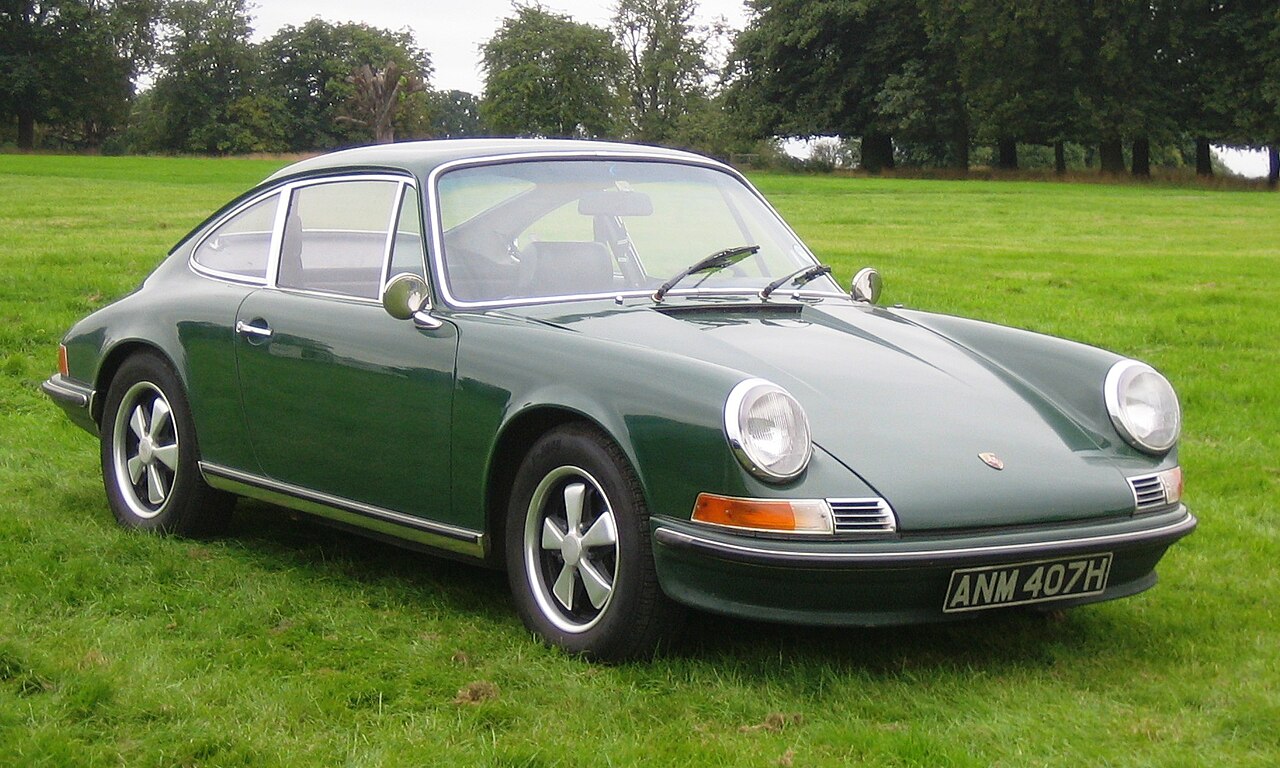
Pictured example: dark green. Original factory paint and paint code are not verified.Photo: Charles01, CC BY-SA 3.0License termsDownloaded as a Wikimedia Commons 1280px thumbnail for local display.
Generation
1969-1973
F-series / Longhood
Long-wheelbase early cars with the classic slim-bumper profile and the Carrera RS halo.
Durable impact-bumper cars, spanning 911, Carrera, SC, Turbo, and the Cabriolet revival.
Body
Coupe, Targa, Cabriolet
Engine
Air-cooled flat-six
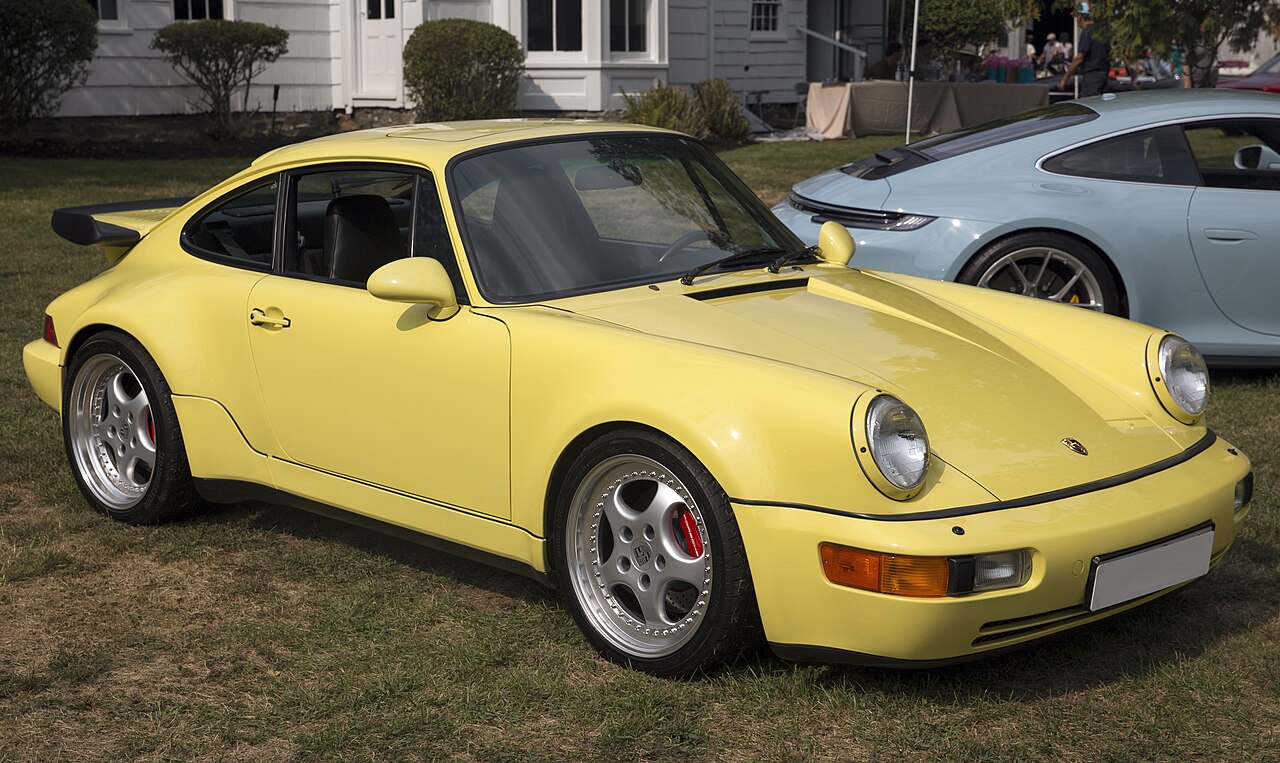
Pictured example: yellow. Original factory paint and paint code are not verified.Photo: Mr.choppers, CC BY-SA 3.0License termsDownloaded as a Wikimedia Commons 1280px thumbnail for local display.
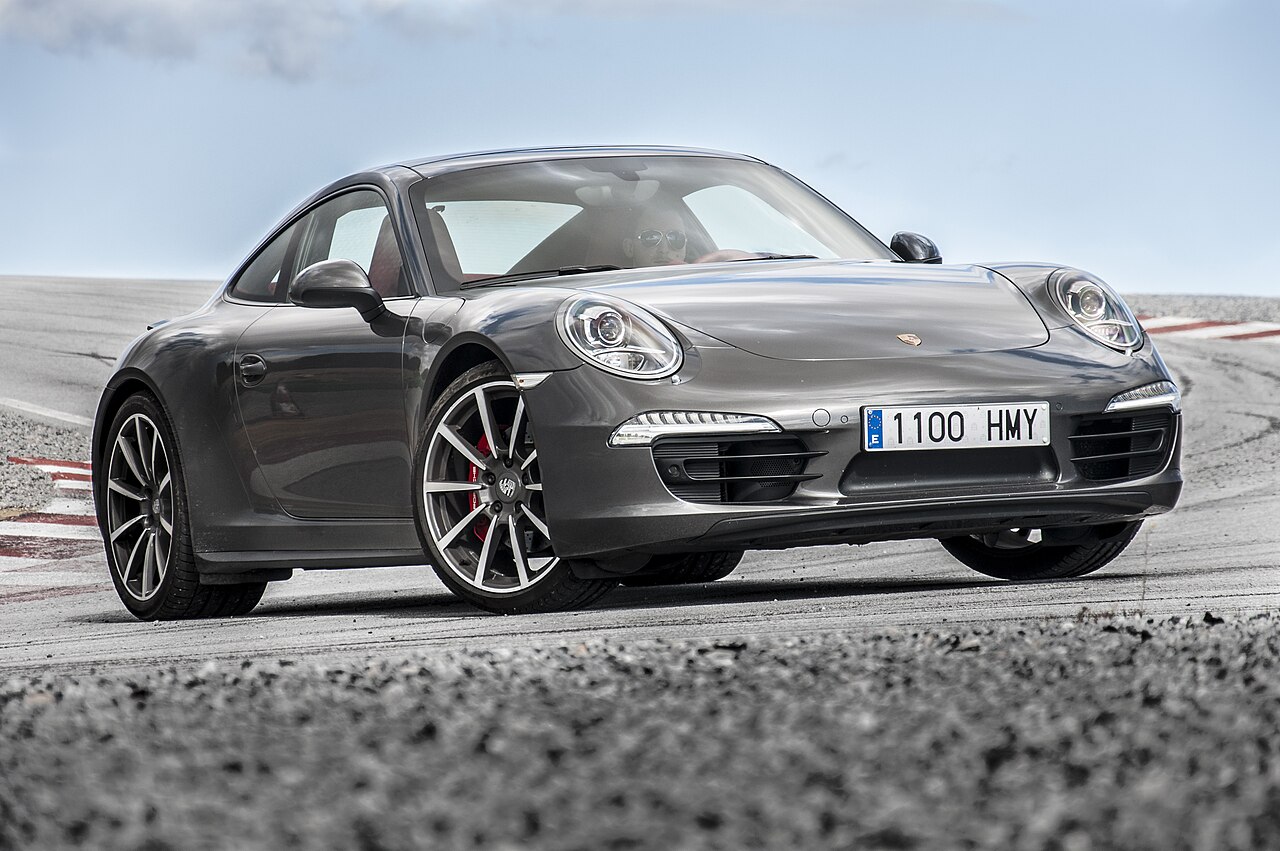
Generation
1989-1994
964
The transition car: classic proportions, ABS-era hardware, and the arrival of Carrera 4 all-wheel drive.
Body
Coupe, Targa, Cabriolet, Speedster
Engine
Air-cooled flat-six
Pictured example: silver. Original factory paint and paint code are not verified.Photo: Alexander Migl, CC BY-SA 4.0License termsDownloaded as a Wikimedia Commons 1280px thumbnail for local display.
Generation
1994-1998
993
The last air-cooled generation, with Turbo and RS cars anchoring the upper collector tier.
Body
Coupe, Targa, Cabriolet
Engine
Air-cooled flat-six
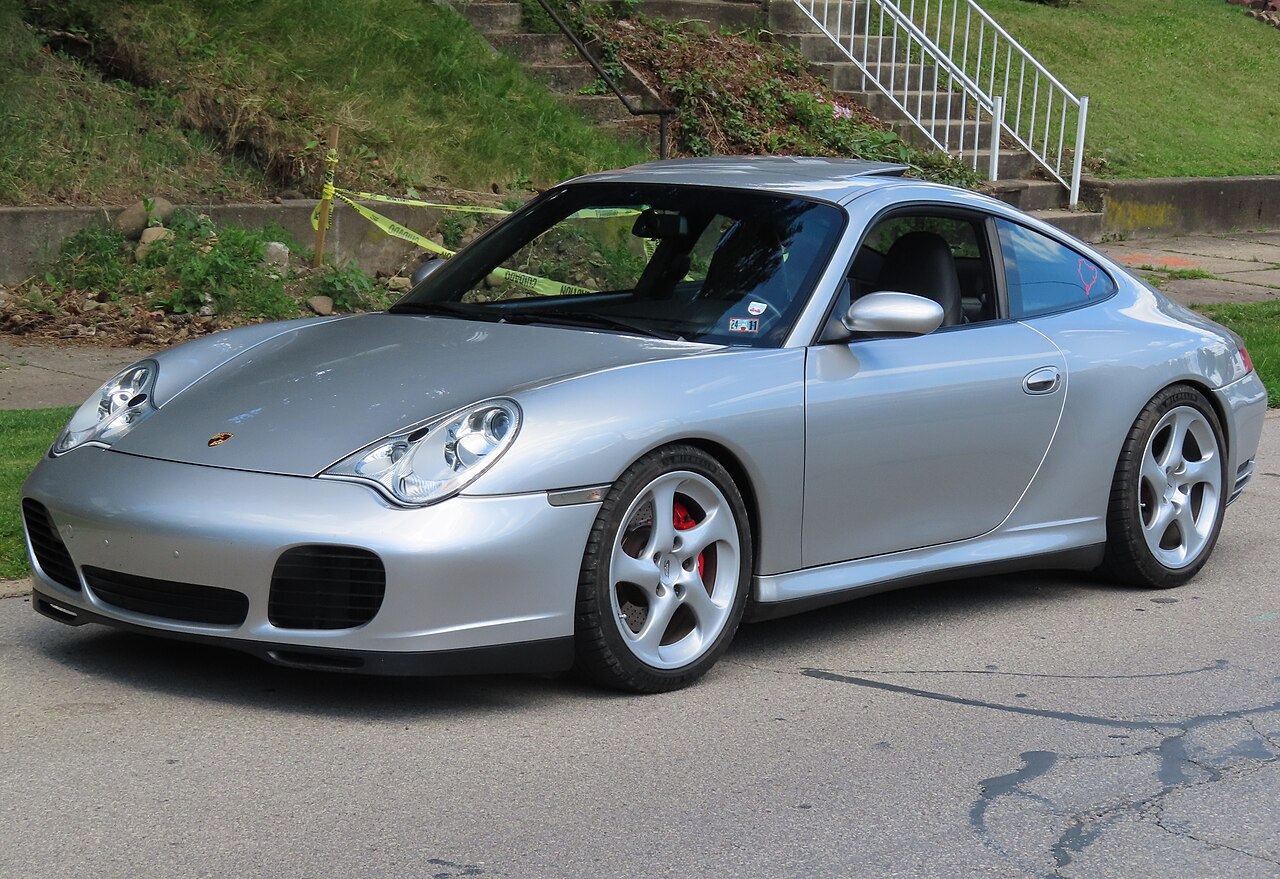
Pictured example: silver. Original factory paint and paint code are not verified.Photo: MercurySable99, CC BY-SA 4.0License termsDownloaded as a Wikimedia Commons 1280px thumbnail for local display.
Generation
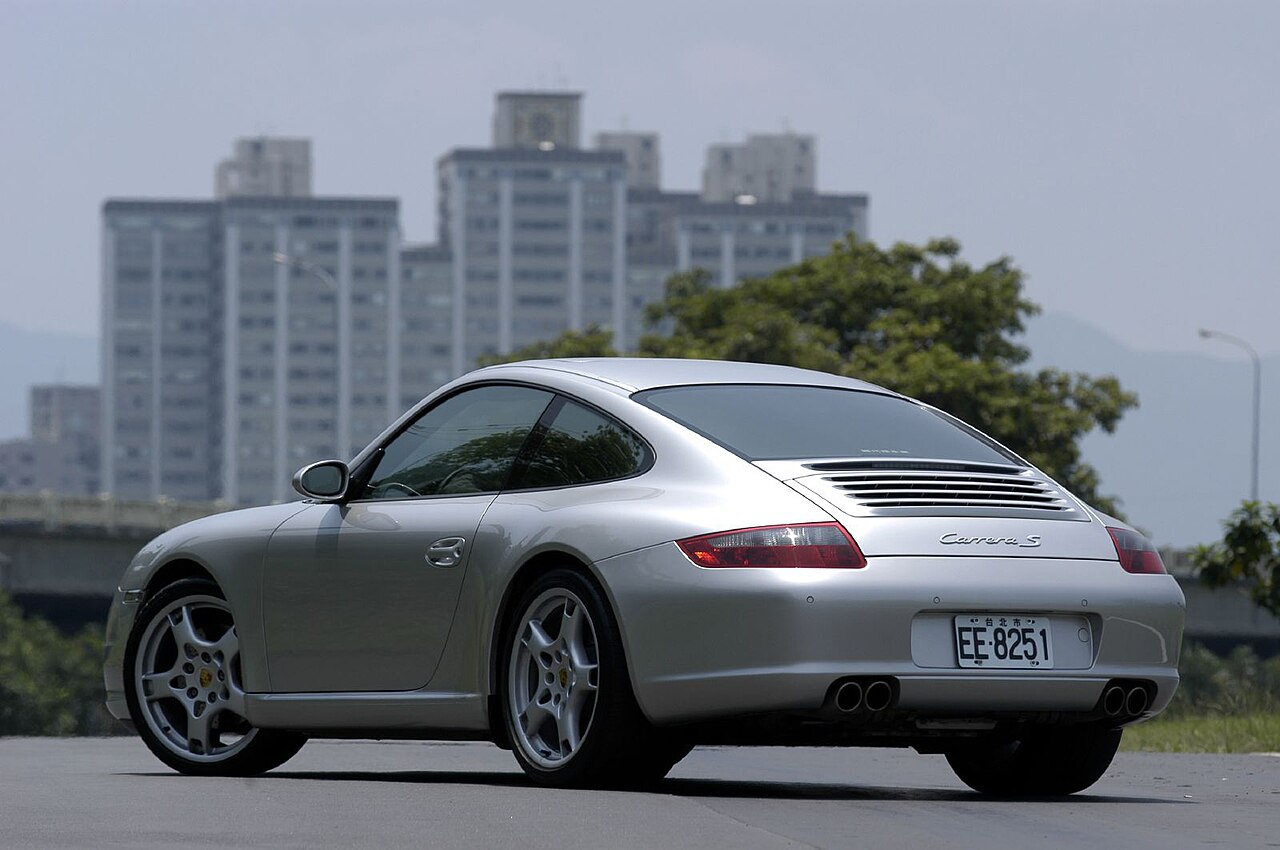
1998-2005
996
The first water-cooled 911, and the generation that introduced the GT3 road-car bloodline.
Larger, faster, and highly specification-sensitive, from manual GT cars to limited heritage editions.
Body
Coupe, Targa, Cabriolet
Engine
Water-cooled flat-six
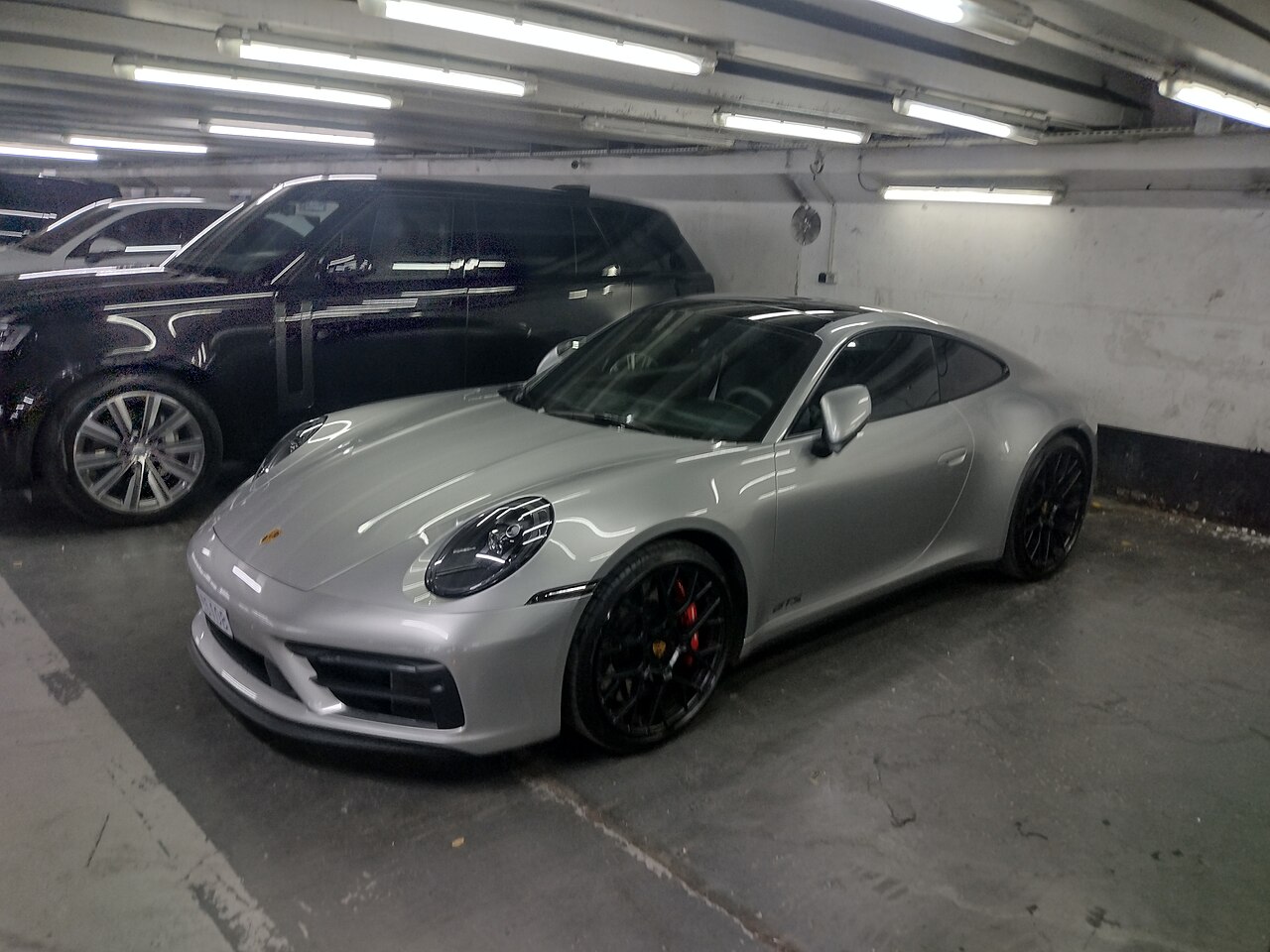
Pictured example: silver. Original factory paint and paint code are not verified. The source filename and short caption say Carrera, but its description says GT3 Touring. Only the 992 generation is identified here; the exact trim is unresolved.Photo: Mathious Ier, CC0License termsDownloaded as a Wikimedia Commons 1280px thumbnail for local display.
Generation
2018-present
992
The current 911 generation, where launch spec, special editions, and GT allocation shape the market.
Body
Coupe, Targa, Cabriolet
Engine
Water-cooled and hybrid flat-six family
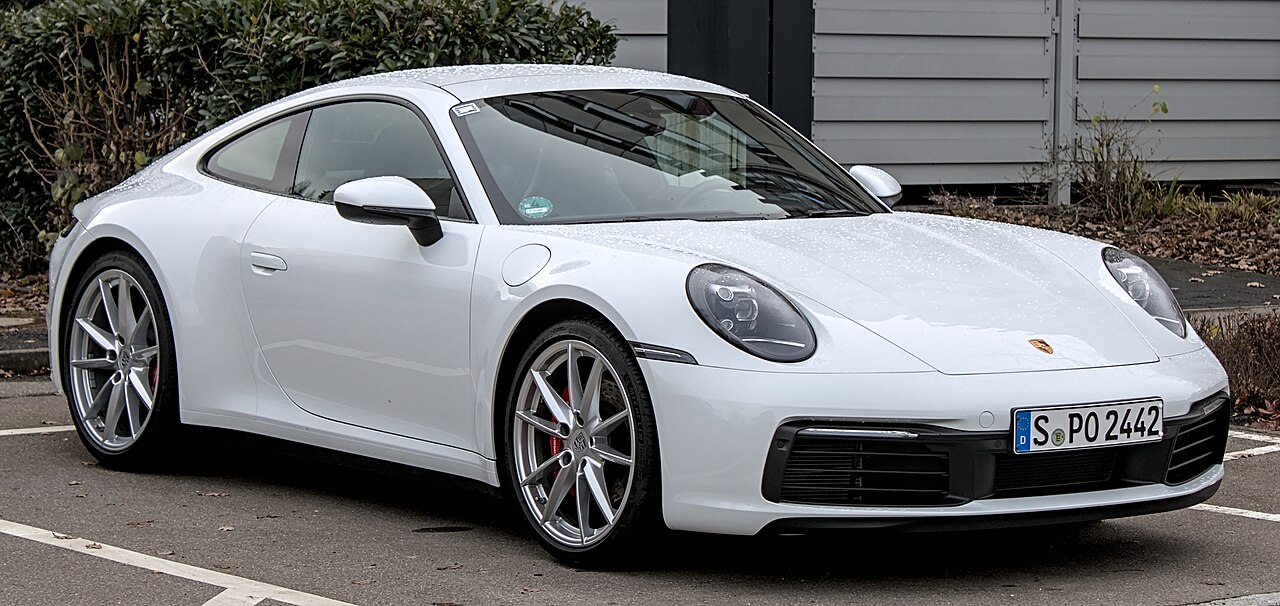
Pictured example: white. Original factory paint and paint code are not verified.Photo: Alexander Migl, CC BY-SA 4.0License termsDownloaded as a Wikimedia Commons 1280px thumbnail for local display.
Model line
Varies by generation
Carrera / Carrera S
Compare Carrera and Carrera S only within the same generation and model year; the names do not represent one continuous specification from 1964.
Body
Coupe, Targa, Cabriolet
Engine
Flat-six range
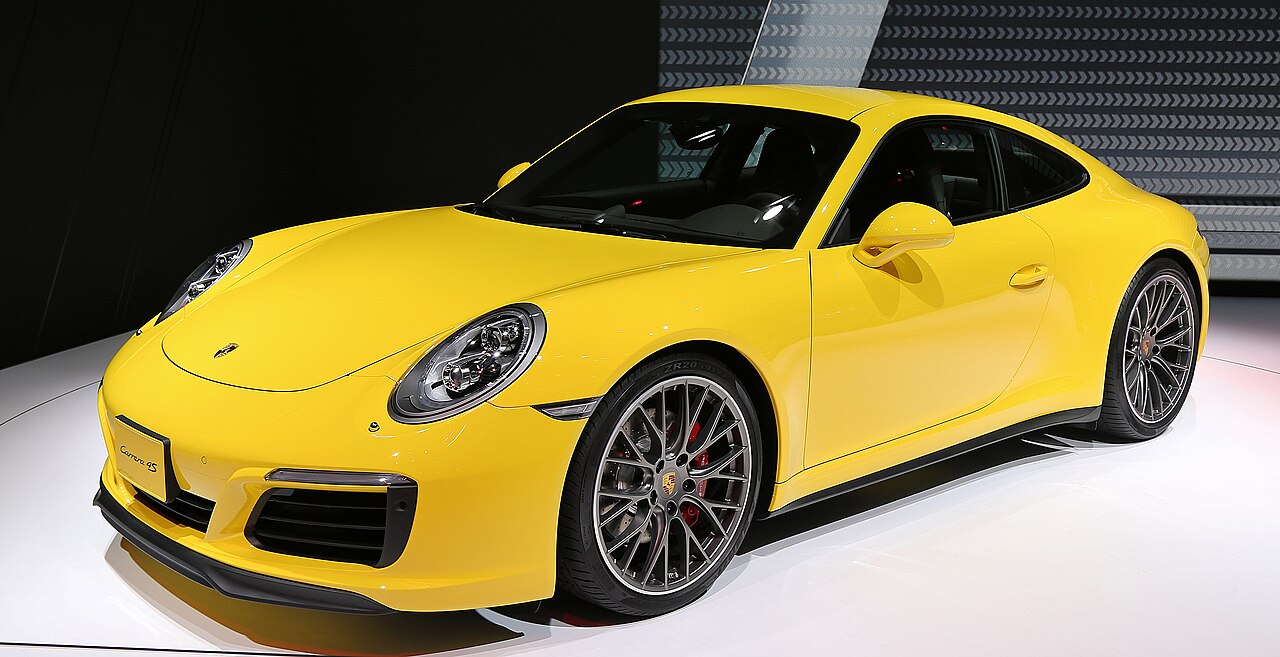
Pictured example: yellow. Original factory paint and paint code are not verified.Photo: TTTNIS, CC0License termsDownloaded as a Wikimedia Commons 1280px thumbnail for local display.
Drivetrain
1989-present
Carrera 4 / 4S
All-wheel-drive 911s, beginning with the 964 Carrera 4 and later becoming a major model line.
Body
Coupe, Targa, Cabriolet
Engine
Flat-six range
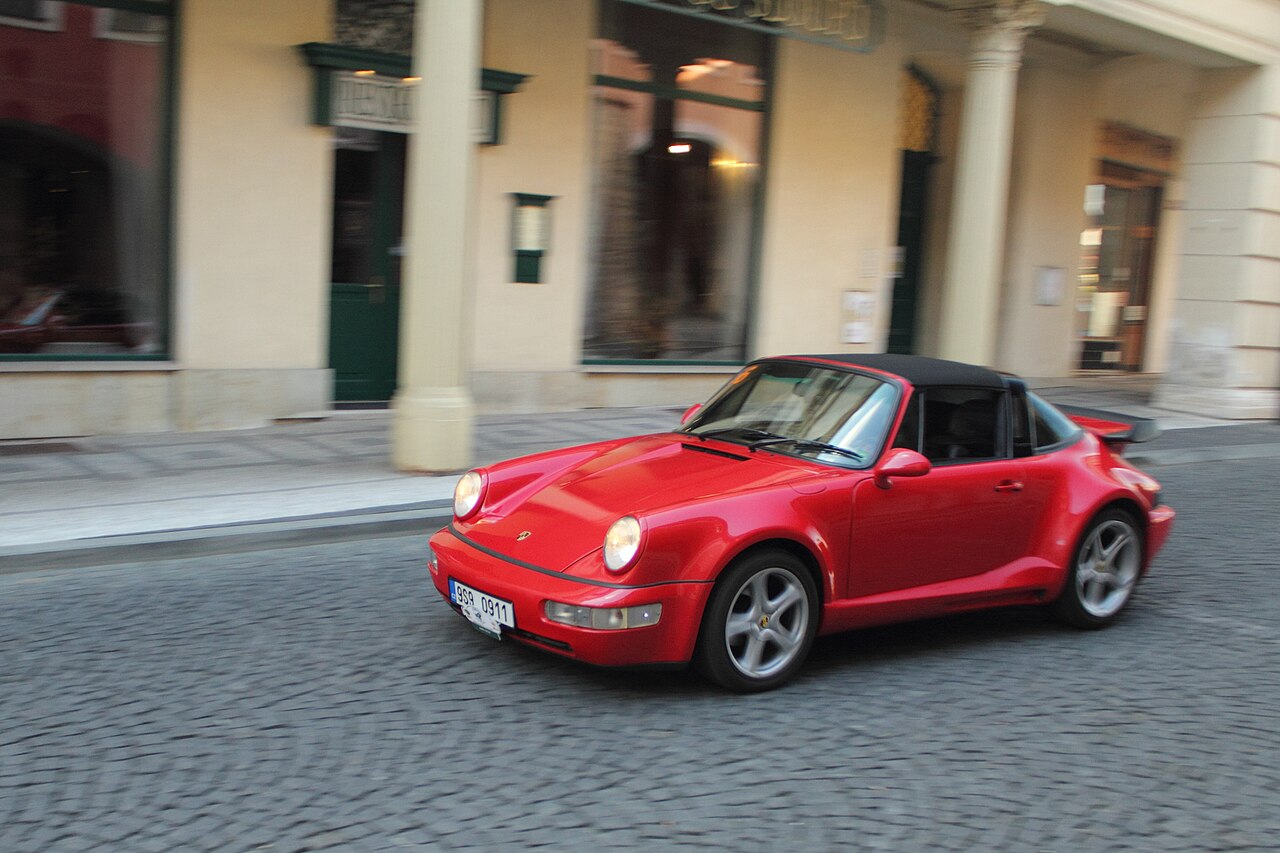
Pictured example: red. Original factory paint and paint code are not verified.Photo: Miloslav Rejha, CC BY-SA 3.0License termsDownloaded as a Wikimedia Commons 1280px thumbnail for local display.
Body
1967-present
Targa
The open-air 911 with its own identity, from early soft-window cars to modern glass-roof and hoop designs.
Body
Removable or retractable roof section
Engine
Flat-six range
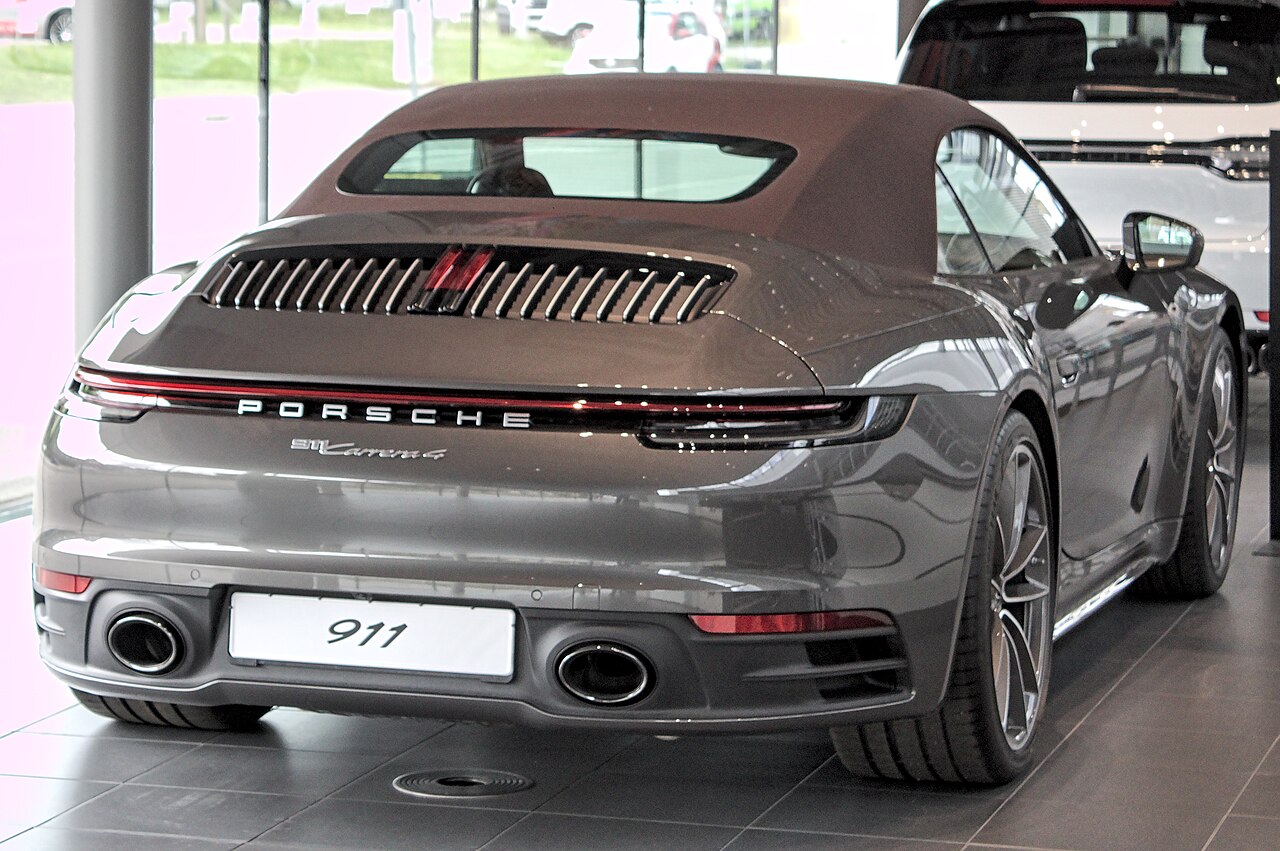
Pictured example: grey with a dark red fabric roof. Original factory paint and paint code are not verified.Photo: Alexander Migl, CC BY-SA 4.0License termsDownloaded as a Wikimedia Commons 1280px thumbnail for local display.
Body
1983-present
Cabriolet
The full convertible branch, valued heavily by color, gearbox, mileage, and condition.
Body
Fabric convertible
Engine
Flat-six range
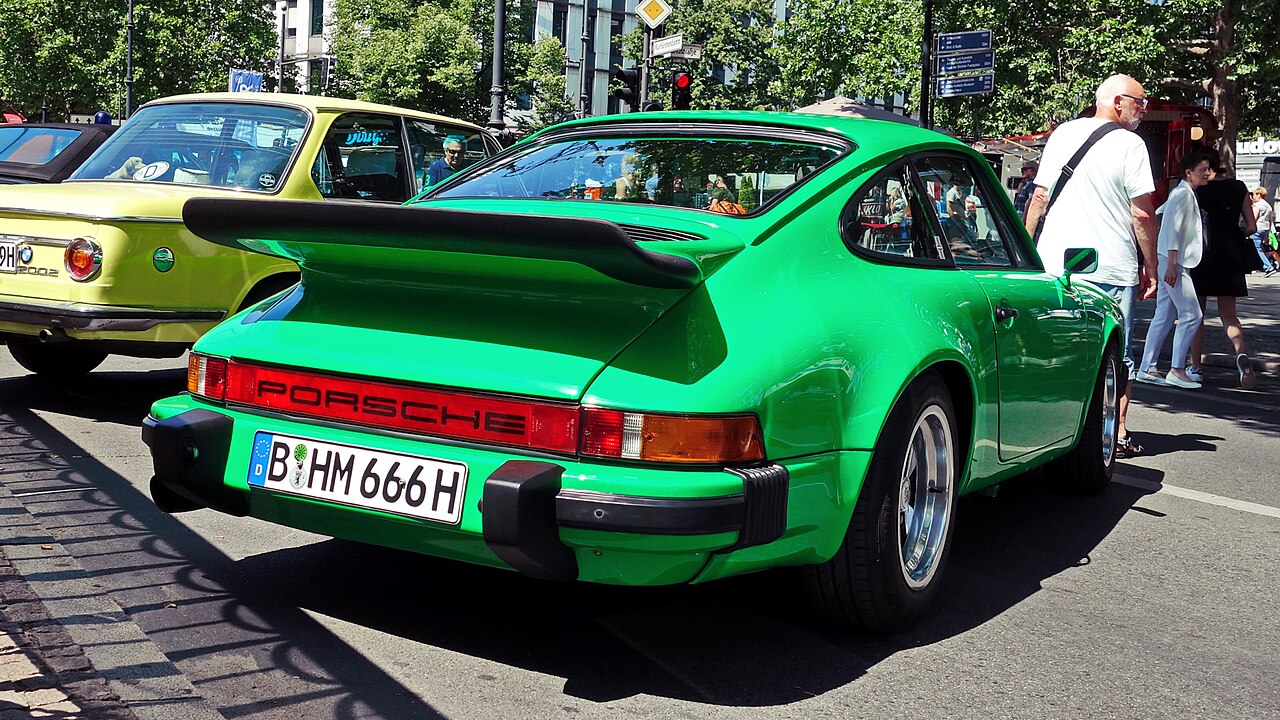
Pictured example: green. Original factory paint and paint code are not verified.Photo: Mr.choppers, CC BY-SA 3.0License termsDownloaded as a Wikimedia Commons 1280px thumbnail for local display.
Performance
1975-present
Turbo / Turbo S
The wide-fender performance line, from 930 drama through modern all-weather supercar pace.
Body
Widebody Coupe and Cabriolet
Engine
Turbocharged flat-six
Pictured example: orange-red. Original factory paint and paint code are not verified.Photo: Lothar Spurzem, CC BY-SA 2.0 deLicense termsDownloaded as a Wikimedia Commons 1280px thumbnail for local display.
Homologation
1973 onward
Carrera RS / Rennsport
The lightweight homologation thread, led by the 2.7 RS and echoed by later RS and S/T specials.
Body
Lightweight coupe
Engine
Flat-six range
Pictured example: silver. Original factory paint and paint code are not verified. Local image inspected; the stored Commons source page could not be retrieved during this audit. Precise variant identification remains unverified.Photo: Alexander Migl, CC BY-SA 4.0License termsDownloaded as a Wikimedia Commons 1280px thumbnail for local display.
Body
Selected editions from 1989
Speedster
Limited open cars that translate the 356 Speedster idea into late air-cooled and modern 911 eras.
Body
Low-screen open special
Engine
Flat-six range
Pictured example: grey with dark and red details. Original factory paint and paint code are not verified.Photo: Alexander-93, CC BY-SA 4.0License termsDownloaded as a Wikimedia Commons 1280px thumbnail for local display.
Track
1999-present
GT3 / GT3 RS
The road-legal motorsport branch, where generation, manual availability, RS specification, and mileage matter.
Body
Lightweight coupe and GT3 S/C
Engine
Naturally aspirated flat-six
Pictured example: silver-grey with dark details. Original factory paint and paint code are not verified.Photo: Matti Blume, CC BY-SA 4.0License termsDownloaded as a Wikimedia Commons 1280px thumbnail for local display.
Track
1995-2018
GT2 / GT2 RS
The rear-drive turbo track line, among the most aggressive and scarce modern 911 families.
Body
Turbo widebody coupe
Engine
Turbocharged flat-six
911 collector perspective
The 911 is continuity as a product strategy. Porsche kept the hard part, the rear-engine layout, and made every generation an argument for why the old problem still mattered.
Early short-wheelbase cars have the purity; impact-bumper cars have durability and character; 964 and 993 cars bridge vintage tactility with modern pace. Later cars become a different collecting game around specification, mileage, and limited production.
The right 911 is rarely just a year. It is engine, gearbox, body, options, color, market, and documented care. The silhouette makes them look interchangeable from a distance; the records make them separate cars.
Research sources and evidence limits
Manufacturer histories support the dated identification facts cited above. Comparison questions and inspection prompts are editorial guidance, not a report from inspecting these photographed cars. Existing variant periods are orientation ranges; verify the individual build specification before purchase.
Porsche: 60 years of the 911 — Porsche. Generation history, air/water cooling transition, Carrera 4 and GT3 introduction. Reviewed 2026-09-20.
Photo credits identify the image source and recorded license separately. No current transaction dataset, original measurements or firsthand road test supports this guide. We do not publish a price estimate or condition score. Read our editorial method and corrections policy.